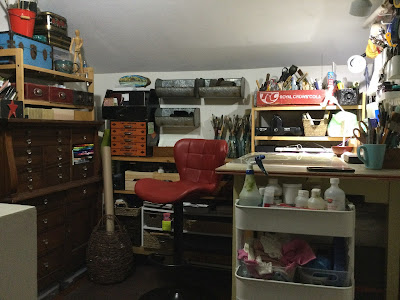
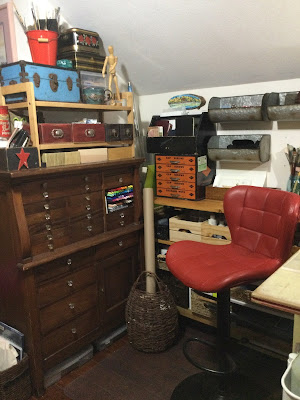
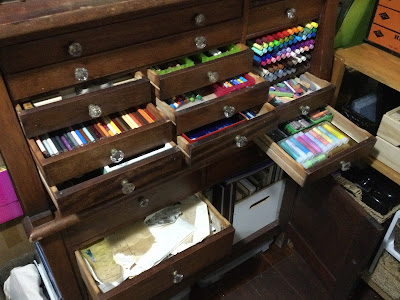
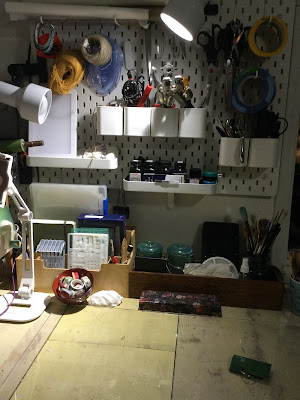
It has been a year of change and now it's time for another one. I am leaving my beautiful lake behind, but sometimes it's simply a matter of having to choose one good thing over another.
My blog will remain open as I decide what to do next.
Saturday, November 19, 2011
Friday, September 2, 2011
Suncatchers and New Self Portrait
I reluctantly decided it was time to update my blog photo. So after probably more than 50 attempts at a self portrait, here is the one that I chose. My good friend said that the reason photographs after a certain age are never as flattering as we would like is because you can't see our personalities...the stuff that makes us sparkle in person. Of course I would rather look like I did at 40 but hey, I'm alive and healthy and excited about what comes next and as they say, it's better than the alternative!
What I really came on here to post about was this gorgeous suncatcher I received from my friend, Peggy, aka PalsCreations on Etsy. Our wonderful group, Piecemakers Mosaic Artists, recently did a suncatcher exchange where each of us made a suncatcher for the person above us on the list. Peggy created this beautiful mixed media suncatcher for me. The bird in the centre is done with glass and alcohol inks and the frame is mixed media under more glass. Grout is used to tie the whole piece together. I love it! Thanks, Peggy!
And here's the one I did for Sandy (BeadedGlass on Etsy).
To see more, go the the Piecemaker's blog here. Lots to look at and very soon (as soon as everyone has received their suncatchers), you can see photos of everyone's contributions. Can't wait!
What I really came on here to post about was this gorgeous suncatcher I received from my friend, Peggy, aka PalsCreations on Etsy. Our wonderful group, Piecemakers Mosaic Artists, recently did a suncatcher exchange where each of us made a suncatcher for the person above us on the list. Peggy created this beautiful mixed media suncatcher for me. The bird in the centre is done with glass and alcohol inks and the frame is mixed media under more glass. Grout is used to tie the whole piece together. I love it! Thanks, Peggy!
![]() |
| Backlit hanging in my window |
![]() |
| Without backlighting |
![]() |
| Stained glass on a clear glass backing with black grout. |
Labels:
Piecemakers,
self portrait,
suncatchers
Sunday, August 14, 2011
Handmade Paper Dyed with Wildflowers
This post will introduce you to the craft of dying paper pulp but, for more in depth reading, there are some wonderful books available on dying with plants. Many of them focus on dying wool rather than cellulose fibres but I'll list my recommended resources for dying your handmade paper with plants. I must admit that I'm rather slapdash when it comes to dyeing but I get the results I want. If I don't get exactly the same results every time, that's okay by me. But if you want to duplicate your results, take good notes.
| Arnica flowers |
When I play with plant dyes, I generally use corn husk and recycled paper pulp. The corn husk pulp is a pale green colour and doesn't compete with the dyes. Some of the other plants I use in my papermaking have a lot of natural colour so the dye colour doesn't show up as well. For information on papermaking, click on this link for a tutorial I posted last spring, Make Your Own Paper From Plants.
![]() |
| Cow parsnip |
You can use plant fibre pulp mixed with recycled paper pulp, plain paper pulp or pulp made from purchased fibre such as cotton linters or abaca. Keep the pulp wet while you prepare your dye materials.
![]() | ||
| Wet paper pulp after pre-mordanting with tannin. |
MORDANT
Before dyeing your cellulose pulp (plant fibre, recycled paper, etc.), most dyes require that the plant based fibres be soaked in a solution called a mordant. The mordant binds to the fibre and then the dye binds to the mordant.There are various methods for mordanting pulp but this is the one I use. I first use a tannin solution as a pre-mordant and then I use an alum solution as the mordant. The alum doesn't readily fix to the pulp on its own so the tannin is used first. You can purchase tannin and alum from companies that sell natural dyes and from some papermaking suppliers but I make my own tannin solution from willow bark. You can also use oak galls or staghorn sumac. The tannin can be used alone as a mordant but I haven't used that method.
![]() |
| Jars of prepared tannin solution. |
Pre-Mordant
Prepare your tannin solution. Add more water if required. I like the tannin solution to be strong enough to colour the pulp a pale tan colour but not so strong that it interferes with the colour of the plant dye. I've found that if my plant dye is strong enough, even when my pulp is a dark tan colour, it still dyes well. The basic formula is to use bark equal to about 1/4 of the weight of the pulp to be mordanted but, as I said, I'm pretty cavalier about the whole process so if the resulting colour is a bit lighter or darker, that's okay. Since I just boil up a bunch of willow bark at one time, I'm not measuring for a particular dye session.Add the paper pulp to the tannin solution and soak for 8 to 24 hours. The longer the soak, the more tannin is absorbed. The pulp should be a pale tan colour. Strain it and save the tannin solution. It can be used again until it no longer colours the pulp adequately.
![]() |
| Yarrow |
Mordant with Alum
I mordant my fibres once with alum after the tannin solution but you can do it twice for stronger colours, if you wish. The alum is used with washing soda to make it less acidic and it also helps to make the fibres more absorbent.The amount of alum and washing soda you use depends on the weight of your fibres. Once again I must confess to being less than scientific about my process and I usually estimate the dry weight of my fibres. Your alum should weigh 20% of the weight of your fibres and 6% of the weight for the washing soda (or 20 gm of alum per 100 gm of fibre and 6 gm of washing soda per 100 gm of fibre).
Dissolve the alum in boiling water in a large stainless steel pot. Fill the pot about 1/3 full of hot water. Dissolve the washing soda in boiling water and add to the alum solution in the pot and stir well. Carbon dioxide releasing will cause bubbles to form (they'll overflow if the pot is too full). When the bubbles have subsided add the pulp to the pot and add enough water to cover them. Heat to a simmer, turn off the heat and leave the pulp to soak for 8 to 24 hours. Strain and rinse the pulp but reserve the left over solution to use again. I usually save the remains from a couple of batches and then add them together for the third batch.
![]() |
| Goldenrod |
Now the fun begins! I love the time spent outdoors collecting the flowers for my dyes. Many wildflowers will result in some hue of yellow, from greenish to orangey. Modifiers can be used to create a range of colours from one dye plant. There are books and information on the internet that tell you what colours to expect from many common wildflowers but often the information is about colours on wool, which can be quite different. I enjoy experimenting.
Be careful not to disturb rare or endangered plants or to spread noxious weeds. Some plants will render a rich, gorgeous colour in the dye pot but the cellulose fibres don't pick up the colour, even with the mordant. I tried strawberry blight and it made a deep pink solution but it didn't dye the fibre. If you're looking for a sure thing, then use plants that are recommended by other dyers and follow their instructions.
I use the same process with all of the wildflowers I collect for dyes. Collect as many flowerheads (or other plant parts that you wish to try) as the weight of the pulp you are dyeing. Pour boiling water over the plant parts in a glass or stainless steel bowl or pot and leave to steep for an hour or so. Sometimes this is enough to extract the colour but I usually add more water and then simmer in a stainless steel pot for an hour; then strain out the plant material.
Add the pulp to the pot of dye and simmer for an hour (less if enough colour has been absorbed). Strain and rinse, reserving the dye liquid if you wish to add it to another batch or for a lighter shade of the colour with the same solution.
![]() |
| From left to right (yellow is dyed with wildflowers, green is the same dye as the paper to the left but modified with iron): cow parsnip, orange hawkweed, goldenrod, yarrow |
MODIFIERS
Modifiers are chemicals that are added to the dyed pulp to change the colour. There are several common ones that are used and each affects the colour differently. The only one that I use is iron. I make the solution by soaking rusty nails or other iron bits in a solution of 2 parts of water to one part of clear vinegar for 2 weeks or more. My current solution has been sitting in my studio for over a year so it's quite strong.
After dyeing the pulp with the plant dye, I put it in a stainless steel or glass bowl, add some water, and add a couple of tablespoons (all very scientifically measured, of course....not!) of the iron solution. I stir until it changes colour (with iron it is called "saddening" the colour). It results in a duller colour which is often quite beautiful. The yellows turn to varying shades and hues of green.
Then I make paper and wait for the final results.
IMPORTANT NOTE: After dyeing and modifying, strain and rinse the pulp. Check with your local environmental authorities for disposal of any chemicals, including alum, washing soda and iron solutions.
RESOURCES
My very favourite book is Wild Color by Jenny Dean (Watson-Guptill Publications). Highly recommended for beginners to advanced dyers as her information for dyeing cellulose fibres is so comprehensive, yet easy to follow.
A Dyer's Garden by Rita Buchanan (Interweave Press). Wonderful information on growing your own dye plants as well as some info on dyeing.
Home Dyeing with Natural Dyes by Margaret S. Furry and Bess M. Viemont (United States Department of Agriculture No. 230). There is a lot of information packed into this small booklet.
Mushrooms for Colour by Miriam C. Rice (Mad River Press). Some gorgeous colours are possible with certain kinds of mushrooms.
The Art and Craft of Natural Dyeing by J.N. Liles (The University of Tennessee Press). In depth information on dyeing.
SUPPLIERS
Dharma Trading Company Even their catalog is fun.
The Papertrail A Canadian company but ships internationally
Maiwa Handprints A Canadian company. They have an extensive supply of books and materials as well as lots of good information.
Thursday, August 11, 2011
Stinging Nettle Paper
Finally! Five whole days of beautiful summer weather so I got out my floaty chair yesterday and, despite the barely above freezing water temperatures, drifted around on my lake peeling plant fibre for paper.
Stinging nettle fibre makes a beautiful pale greenish, cloth-like paper that is very strong.
Not everyone gets excited about a proliferation of stinging nettle growing on their property, but I was thrilled to find a lush patch behind my shed.
Wearing garden gloves, I first strip the leaves and seeds from the stalks. This removes all the stinging bits. Then with bare hands I strip the herbaceous bast fibre from the stalks. You can read about the rest of the process in my previous post about making handmade paper.![]() |
| Pure stinging nettle paper. |
Friday, July 29, 2011
Age and Change
Another birthday has come and gone. Each year on my birthday I like to reflect on the year that has passed and think about what I want for my life in the coming year.
As I get older, and each year feels shorter in relation to the years I have lived, I feel a greater need to make sure that I am living the life I want. This year I made a difficult choice that made me incredibly sad but, when I thought about how not making that choice was affecting me, I knew it was necessary. I also started the long, slow process of clearing out clutter and organizing my life. I crave peace and order in all areas of my life.
I had a huge yard sale and got rid of years of accumulated stuff. I have to admit that I have regretted selling a few things but the alternative would be to hang onto everything just in case I thought I might need it someday. I created a budget and put all of my financial paperwork in order so I know exactly how unlikely it is that I will be able to retire when I had hoped I could. I completely reorganized my studio and reminded myself that if I would just use all my accumulated stuff to produce and sell all the art I could make with all that wonderful stuff, instead of buying more wonderful stuff, I really could retire when I hoped.
I have also discovered something about myself recently. I need colour! I'm ready for my 70's earth tones to take a hiatus. So as a birthday gift to myself, I bought some bright new cushions on sale and pulled in a few other lively pieces from here and there in the house for a fresh look in my living room.
This year I plan to finish the work on my house, create art most days using what I already have, and to do my best to stay healthy.
As I get older, and each year feels shorter in relation to the years I have lived, I feel a greater need to make sure that I am living the life I want. This year I made a difficult choice that made me incredibly sad but, when I thought about how not making that choice was affecting me, I knew it was necessary. I also started the long, slow process of clearing out clutter and organizing my life. I crave peace and order in all areas of my life.
I had a huge yard sale and got rid of years of accumulated stuff. I have to admit that I have regretted selling a few things but the alternative would be to hang onto everything just in case I thought I might need it someday. I created a budget and put all of my financial paperwork in order so I know exactly how unlikely it is that I will be able to retire when I had hoped I could. I completely reorganized my studio and reminded myself that if I would just use all my accumulated stuff to produce and sell all the art I could make with all that wonderful stuff, instead of buying more wonderful stuff, I really could retire when I hoped.
I have also discovered something about myself recently. I need colour! I'm ready for my 70's earth tones to take a hiatus. So as a birthday gift to myself, I bought some bright new cushions on sale and pulled in a few other lively pieces from here and there in the house for a fresh look in my living room.
![]() | |
| My refreshed living room |
Labels:
birthday,
home,
life,
living room,
plans
Thursday, July 14, 2011
Where Bloggers Create 2011
I just did a complete reorganization of my own studio space this month, and posted it here on my blog. You can find it in the post right below this one or by clicking on my studio tour on the side bar. I look forward to picking up some more great ideas on this tour but I'm going to have to wait to implement them at least until I've lived with my present arrangement long enough to know what works.
For more inspiration for your creative space, starting on July 15th, you'll want to visit lots of the featured studios at Where Bloggers Create 2011. You don't have to rush. Karen Valentine from My Desert Cottage, the event host, keeps the list posted all year.
Sunday, July 3, 2011
Studio Reorganization Number ?
I love organizing my studio! I have no idea how many times I've tweaked it in the past 3 years but I'm sure this won't be the last. I get an idea in my head for one small change and before you know it the whole room is upside down and I'm as happy as a pig in mud! Maybe this time I'll let it be long enough to remember where I've stored everything.
Now that my space is all organized and I have the whole summer ahead of me, I'm ready to create! I worked on this encaustic piece while I worked on my studio.
![]() |
| View from the hallway. |
![]() | |
| Pottery, mosaics and stained glass. The stained glass is in a unit that stored old LPs and singles at the local radio station where my husband was a DJ. |
![]() |
| Ice cube trays from the Dollar Store make great storage for all my little charms, brads and beading supplies. This shallow drawer unit is from Ikea. |
![]() |
| Old pop caddies are perfect for keeping tools accessible. Plastic cups help contain smaller items. |
![]() |
| Wet zone for soap and paper making and dyeing fabric. |
![]() |
| These map files hold my pressed flowers, larger sheets of paper and stamps. |
![]() |
| Books and other reference materials and packaging supplies live here. The armoire holds canvases and frames. |
![]() |
| Birch 2 - Encaustic - 12x12 on cradled wood panel |
Labels:
art studio,
craft studio,
organization
Subscribe to:
Posts (Atom)